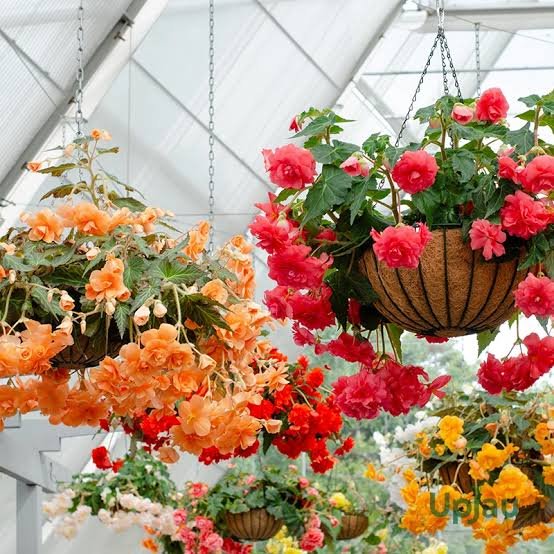
A begonia plant can bring colorful flowers and attractive foliage into a home, balcony, patio, or garden. The genus includes a wide range of plants, from varieties grown mainly for their flowers to types prized for unusual leaves and striking patterns.
The good news is that begonias do not require complicated care. Most problems happen when their basic needs are misunderstood—especially watering, light, and soil drainage. Give a begonia the right conditions, and it can remain attractive for a long time.
This guide explains how to care for begonias, where to place them, how often to water them, what soil they prefer, and how to deal with common problems.
What Is a Begonia Plant?
A begonia plant belongs to the large Begonia genus, which contains many different species and cultivated varieties. They can look surprisingly different from one another.
Some begonias produce colorful flowers in shades such as pink, red, white, orange, or yellow. Others are grown primarily for their foliage, which may feature unusual shapes, stripes, spots, metallic tones, or contrasting colors.
Common groups include:
- Wax begonias: Popular bedding and container plants with flowers and fleshy leaves.
- Tuberous begonias: Known for large, showy flowers and often grown in containers.
- Rex begonias: Valued mainly for colorful and patterned foliage.
- Cane begonias: Recognizable by upright stems and often large leaves.
- Rhizomatous begonias: Often grown for interesting foliage and distinctive growth habits.
Because begonias vary so much, care requirements are not identical for every variety. Still, most indoor and garden begonias respond well to bright indirect light, evenly moist but well-drained soil, and good air circulation.
Why Begonias Are Popular
One reason gardeners enjoy begonias is their versatility. A suitable variety can work in a hanging basket, indoor pot, shaded garden bed, balcony container, or patio display.
Their foliage can be just as appealing as their flowers. This makes begonias useful when you want a plant that remains decorative even when it is not blooming.
They are also available in many sizes. Some stay relatively compact, while others can become substantial plants under suitable conditions.
The main challenge is avoiding extremes. Begonias generally dislike sitting in constantly wet soil, but they also suffer when they are repeatedly allowed to become severely dry.
How Much Light Does a Begonia Plant Need?
Most begonias prefer bright, indirect light rather than intense direct afternoon sunlight.
An indoor begonia can often do well near an east- or west-facing window, provided the light is not excessively harsh. A sheer curtain can help soften strong sunlight.
Outdoor begonias often perform well in partial shade, although the exact requirement depends on the variety.
Too little light can lead to:
- Weak or stretched growth
- Fewer flowers
- Pale or less vibrant foliage
- Larger gaps between leaves
Too much intense sunlight may cause:
- Scorched leaves
- Brown patches
- Faded foliage
- Wilting during hot periods
If you notice leaf damage after moving a begonia into strong sunlight, relocate it gradually to a brighter but more protected position.
How to Water a Begonia Plant
Watering is one of the most important parts of begonia care.
Rather than following a rigid calendar, check the soil. When the upper portion of the potting mix feels somewhat dry, water thoroughly until excess moisture drains from the bottom of the container.
Then allow the plant to drain completely.
Avoid leaving the pot sitting in a saucer full of water. Constantly saturated soil reduces air around the roots and can contribute to root problems.
At the same time, do not wait until the entire root ball becomes extremely dry. A severely dehydrated begonia may wilt, develop crispy leaf edges, or drop leaves.
A simple watering routine
- Check the surface of the soil with your finger.
- If the upper layer has dried, inspect slightly deeper.
- Water thoroughly when appropriate.
- Let excess water drain away.
- Empty standing water from the saucer.
- Check the plant again before watering next time.
The frequency will change with temperature, humidity, pot size, soil type, and light levels.
Best Soil for a Begonia Plant
Begonias generally prefer a loose, well-draining growing medium.
The goal is to retain enough moisture for the roots without creating a permanently soggy environment.
A quality indoor potting mix can work well for container-grown begonias. Adding materials that improve drainage and air space can also be useful, depending on the existing mix.
The container itself matters too. A pot should have drainage holes so excess water can escape.
A decorative container without drainage may look attractive, but it makes watering much harder to manage.
Temperature and Humidity
Most commonly grown begonias prefer warm conditions and can struggle with cold temperatures.
Protect them from sudden temperature drops, cold drafts, and frost.
Humidity can also influence their appearance. Dry indoor air may cause some varieties to develop brown leaf edges, particularly when combined with heat or inconsistent watering.
Instead of keeping the foliage constantly wet, consider increasing ambient humidity around the plant. Grouping plants together or using a suitable humidifier can help in dry indoor environments.
Good air circulation is equally important. High humidity combined with stagnant air can encourage fungal problems.
Feeding a Begonia Plant
Begonias benefit from regular feeding during periods of active growth.
A balanced, diluted fertilizer can be used according to the product’s instructions. Avoid applying concentrated fertilizer to dry soil, as this can stress the roots.
Plants grown in containers may need more regular nutritional support because repeated watering can gradually reduce available nutrients.
Do not assume that more fertilizer means more growth. Excess fertilizer can cause salt buildup and damage roots.
A moderate feeding routine is usually more useful than aggressive fertilization.
How to Prune Begonias
Pruning helps maintain a neat shape and can encourage fuller growth in suitable varieties.
Remove:
- Dead leaves
- Damaged stems
- Spent flowers
- Weak or overcrowded growth
Use clean, sharp scissors or pruning shears. Make cuts carefully rather than tearing plant tissue.
For some bushier begonias, pinching the growing tips can encourage branching. However, pruning methods should be adjusted to the specific type of begonia.
Do not remove large amounts of healthy foliage unnecessarily. Leaves are responsible for producing energy for the plant.
Repotting a Begonia Plant
A begonia may need repotting when its current container becomes too small or the potting mix has deteriorated.
Signs can include roots emerging from drainage holes, soil drying unusually quickly, or the plant becoming noticeably crowded.
When repotting, choose a container only modestly larger than the existing one. Moving a small plant into a very large pot can leave a large amount of wet soil around the roots after watering.
Refresh the growing medium and make sure the new container has adequate drainage.
After repotting, give the plant suitable light and avoid immediately overwhelming it with fertilizer.
Common Begonia Problems
Yellow Leaves
Yellowing can have several causes. Overwatering is a common possibility, but aging leaves, poor light, nutritional issues, or environmental stress can also contribute.
Check the soil before changing your watering routine.
Brown Leaf Edges
Brown edges may occur because of dry air, inconsistent watering, excessive fertilizer, or intense sunlight.
Look at the plant’s overall conditions rather than treating the symptom alone.
Dropping Leaves
Sudden leaf drop can result from environmental changes, watering problems, temperature stress, or inadequate light.
If the plant was recently moved, consider whether its new environment is significantly different.
Leggy Growth
Long, weak stems with large gaps between leaves often indicate insufficient light.
Move the plant toward brighter indirect light and rotate the container occasionally so growth remains more balanced.
Root Problems
Constantly wet soil is a major concern for container-grown begonias. Poor drainage and excessive watering can deprive roots of oxygen and create conditions favorable to rot.
If the soil remains wet for a long time, review the pot, drainage holes, soil mix, and watering frequency.
Pests to Watch For
Begonias can occasionally attract common houseplant pests such as aphids, mealybugs, spider mites, or thrips.
Inspect leaves and stems regularly, particularly when bringing a new plant into your home.
Look for:
- Tiny insects
- Sticky residue
- Fine webbing
- Distorted new growth
- Pale or speckled leaves
- Cotton-like clusters
Early detection makes pest management much easier. Isolating an affected plant can also reduce the chance of pests spreading to nearby plants.
Common Mistakes to Avoid
Watering on a Fixed Schedule
“Water every Sunday” sounds simple, but plants do not use water at exactly the same rate every week.
Check the soil instead.
Using a Pot Without Drainage
This makes it difficult to control moisture around the roots and increases the risk of waterlogged soil.
Giving Too Much Direct Sun
A bright location does not necessarily mean hours of intense afternoon sunlight.
Many begonias prefer filtered or indirect light.
Overfertilizing
More fertilizer is not automatically better. Excess nutrients can damage roots and create salt buildup.
Ignoring Airflow
A crowded, constantly damp environment can encourage disease. Give plants enough space for air to move around their foliage.
Expert Tips for Better Begonia Growth
Rotate indoor plants regularly. If one side receives most of the light, the plant may grow unevenly.
Check the soil before watering. This simple habit prevents many moisture-related problems.
Keep damaged leaves under control. Removing dead or diseased material improves appearance and can reduce potential sources of problems.
Acclimate plants gradually. If a begonia is moved from low light to strong outdoor light, make the transition gradually rather than exposing it immediately to intense sun.
Choose the variety for the location. The best begonia for a shaded patio may not be the best choice for a sunny windowsill.
Watch new growth. Fresh leaves often provide useful clues about whether the plant is receiving suitable light, water, and nutrition.
Frequently Asked Questions About Begonia Plant Care
How often should I water a begonia plant?
Water when the upper part of the soil has begun to dry rather than following a fixed schedule. The exact frequency depends on temperature, humidity, light, pot size, and soil.
Does a begonia plant need direct sunlight?
Most begonias prefer bright, indirect light or partial shade. Some varieties can tolerate more sun, but intense afternoon sunlight may scorch sensitive foliage.
Can a begonia plant grow indoors?
Yes. Many begonia varieties grow well indoors when provided with bright indirect light, suitable temperatures, good drainage, and appropriate watering.
Why are my begonia leaves turning yellow?
Yellow leaves can result from overwatering, poor drainage, insufficient light, nutritional problems, or natural aging. Check the soil and growing conditions before changing your care routine.
Can begonias grow in pots?
Yes. Begonias are well suited to containers. Use a pot with drainage holes and a loose, well-draining growing medium.
Should I remove dead begonia flowers?
Removing spent flowers can improve the plant’s appearance and, depending on the variety, may help redirect energy toward continued growth and flowering.
Is a begonia plant easy to care for?
Many begonias are reasonably easy to grow when their basic needs are met. The most important habits are providing appropriate light, avoiding waterlogged soil, and maintaining consistent growing conditions.
Can begonias survive cold weather?
Many commonly grown begonias are sensitive to cold and frost. Outdoor plants may need protection or should be moved indoors when temperatures become unsuitable for the particular variety.
Final Thoughts
A begonia plant does not need complicated treatment to look healthy. The key is understanding what the particular variety prefers and avoiding extremes in light and moisture.
Give it suitable indirect light, well-draining soil, sensible watering, adequate airflow, and moderate feeding during active growth. Pay attention to changes in the leaves, because they often reveal problems before the plant becomes seriously stressed.
Once you learn to read those signs, begonias become much easier to grow—and their variety of flowers and foliage makes the effort worthwhile.