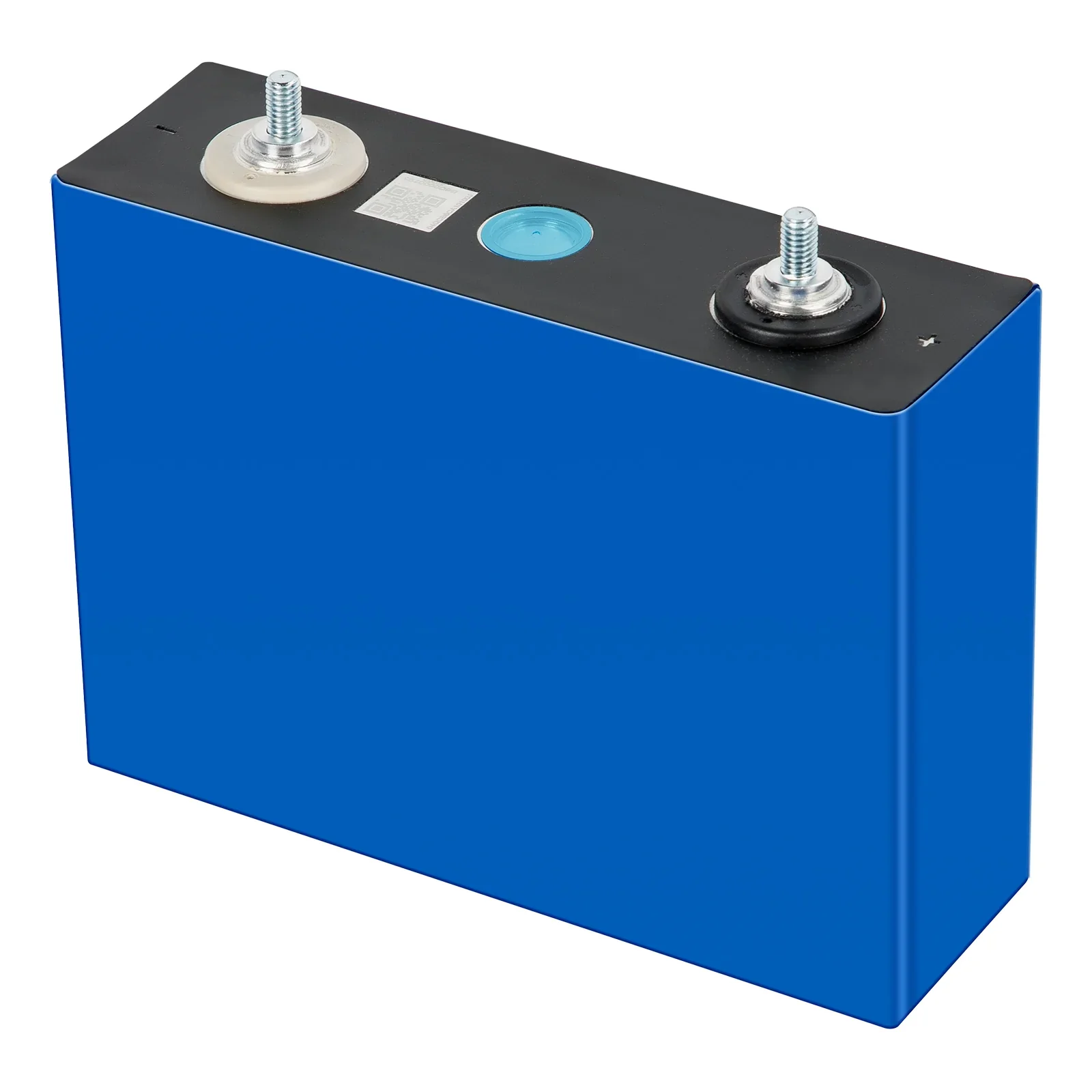
A 100Ah lithium battery is a popular choice for solar systems, RVs, boats, backup power, and other applications that need reliable energy storage without the weight of traditional lead-acid batteries. But the “100Ah” label tells you only part of the story. To choose the right battery, you also need to understand voltage, usable capacity, charging requirements, battery chemistry, and the equipment you plan to power.
For example, a 100Ah battery at 12.8V stores roughly 1,280Wh of nominal energy. That does not mean every watt-hour will necessarily be available for your appliances. Actual usable energy depends on the battery’s design, battery management system (BMS), discharge limits, temperature, and inverter losses.
This guide explains what a 100Ah lithium battery really means, how much power it can provide, where it works best, and what to consider before purchasing one.
What Is a 100Ah Lithium Battery?
A 100Ah lithium battery is a rechargeable battery with a rated capacity of 100 amp-hours (Ah). Lithium-ion battery technology allows electrical energy to be stored and released efficiently, while a built-in battery management system typically monitors important conditions such as voltage, current, and temperature.
The term 100Ah describes electrical capacity rather than total energy.
To estimate energy capacity, use:
Watt-hours (Wh) = Voltage (V) × Amp-hours (Ah)
For example:
- 12.8V × 100Ah = 1,280Wh
- 24V × 100Ah = 2,400Wh
- 48V × 100Ah = 4,800Wh
This is why two batteries can both be rated at 100Ah but store very different amounts of energy if they operate at different voltages.
12V 100Ah Lithium Batteries
The 12V class is particularly common in small solar systems, camping setups, RVs, boats, emergency backup systems, and other off-grid applications.
Many batteries marketed as 12V lithium batteries use lithium iron phosphate (LiFePO4) chemistry, which has become popular for stationary and recreational energy storage because of its combination of durability, safety characteristics, and usable capacity.
A nominal 12.8V 100Ah LiFePO4 battery provides about 1.28kWh of nominal stored energy.
How Much Power Does a 100Ah Lithium Battery Store?
The answer depends on voltage.
A simple calculation gives you the theoretical nominal energy:
100Ah × 12.8V = 1,280Wh
That equals approximately 1.28kWh.
However, don’t assume that a 1,280Wh battery will deliver exactly 1,280Wh to your appliances. If you connect an inverter, some energy is lost during conversion. The battery’s BMS and recommended depth of discharge can also affect how much energy is practically available.
For planning purposes, think of the rating as a starting point rather than a guarantee of usable output.
Example: Running a 100-Watt Device
If a device consumes 100 watts continuously, a 1,280Wh battery has a theoretical runtime of:
1,280Wh ÷ 100W = 12.8 hours
Real-world runtime will normally be lower because of conversion losses and other factors.
If the device is connected through an inverter, the inverter itself consumes some power. The actual runtime therefore depends on the complete system rather than the battery rating alone.
Why Choose Lithium Instead of Lead-Acid?
Lithium batteries have several characteristics that make them attractive alternatives to conventional lead-acid batteries.
Higher Usable Capacity
Lithium batteries can generally be discharged more deeply than lead-acid batteries without the same level of concern about shortening battery life. The exact recommended depth of discharge depends on the battery manufacturer and chemistry.
This means a lithium battery can often provide more practical energy from the same nominal capacity.
Lower Weight
A lithium battery can be substantially lighter than a comparable lead-acid battery. This matters when the battery must be moved regularly or installed in an RV, boat, portable power system, or compact solar setup.
Faster Charging
Many lithium batteries can accept relatively high charging currents, provided the battery, charger, wiring, and BMS are designed for them.
That can be useful when solar conditions are limited or when you need to recharge the battery within a shorter period.
Stable Voltage
Lithium batteries tend to maintain a relatively stable voltage during much of their discharge cycle. This can help equipment operate consistently compared with batteries whose voltage drops more noticeably as they discharge.
Long Service Life
A properly selected and maintained lithium battery can support many charge-discharge cycles. Actual lifespan varies considerably based on chemistry, temperature, charging habits, discharge depth, and battery quality.
A cheap battery operated under harsh conditions should not be expected to perform like a well-designed battery used within its specifications.
Where Is a 100Ah Lithium Battery Used?
A 100Ah battery is a versatile size because it provides a useful amount of stored energy without requiring the large physical footprint of a high-capacity battery bank.
Common applications include:
Solar Power Systems
A 100Ah lithium battery can be paired with solar panels and a compatible charge controller to store energy generated during the day.
That stored energy can then be used after sunset or when solar production falls.
The correct solar-panel size depends on your daily energy consumption, available sunlight, charging limits, and how quickly you want the battery to recharge.
RVs and Camping
A 12V 100Ah lithium battery can power lights, fans, electronics, small refrigerators, and other equipment in an RV or camping setup.
Its lower weight compared with many lead-acid alternatives can also make installation easier.
Backup Power
A lithium battery can provide backup energy for selected household devices, networking equipment, lighting, communication equipment, and other essential loads.
For larger household appliances, you need to consider both battery capacity and inverter power.
Boats
Marine systems can use lithium batteries for electrical loads such as lighting, electronics, refrigeration, and other onboard equipment.
Marine installations require additional attention to mounting, environmental conditions, charging equipment, and manufacturer requirements.
Off-Grid Systems
A 100Ah battery can serve as part of a larger battery bank for cabins, remote equipment, or small off-grid systems.
If your energy requirements are high, several batteries may need to be connected together, assuming the manufacturer permits the intended configuration.
How Long Will a 100Ah Lithium Battery Last?
There are two different meanings of “last,” and confusing them can lead to unrealistic expectations.
The first is runtime—how long the battery can power a particular load.
The second is service life—how many years or charging cycles the battery can provide before its capacity declines significantly.
Runtime
Runtime depends mainly on:
- Battery voltage
- Battery capacity
- Appliance power consumption
- Inverter efficiency
- Wiring losses
- Battery temperature
- Battery management settings
- Depth of discharge
For a rough estimate:
Runtime (hours) ≈ Battery watt-hours ÷ Load watts
For example, if a 12.8V 100Ah battery has approximately 1,280Wh of nominal energy and your load is 200W:
1,280 ÷ 200 = 6.4 hours
The actual result will be lower if the load runs through an inverter or if not all stored energy is available.
What Can a 100Ah Lithium Battery Run?
The answer depends on the power consumption of your equipment.
A 100Ah lithium battery may be suitable for loads such as:
- LED lights
- Fans
- Wi-Fi routers
- Small electronics
- Mobile-device chargers
- Some small refrigerators
- Low-power televisions
- Certain DC appliances
Higher-power equipment can drain the battery much faster.
For example, a 1,000W appliance places a much greater demand on a battery than a 100W appliance. In an inverter-based system, you also need to check whether the inverter and battery can safely handle the required current.
The best approach is to add up the wattage of the devices you expect to use and estimate how many hours each one will operate.
How to Choose the Right 100Ah Lithium Battery
Not all 100Ah batteries are identical. Before buying one, check more than the capacity printed on the label.
1. Check the Voltage
Confirm whether you need a 12V, 24V, or 48V battery system.
A 100Ah battery at 12.8V and a 100Ah battery at 51.2V are not equivalent in stored energy.
2. Check the Battery Chemistry
LiFePO4 is widely used for many modern energy-storage applications. Other lithium chemistries exist, and each has different characteristics.
Don’t choose based solely on the word “lithium.” Look at the specific chemistry and manufacturer’s specifications.
3. Examine the BMS
The battery management system is a critical component.
A quality BMS can monitor conditions such as:
- Overcharge
- Over-discharge
- Excessive current
- Short circuits
- Temperature
Check the manufacturer’s documentation to understand the BMS’s continuous and peak current limits.
4. Look at Continuous Discharge Current
A 100Ah capacity rating doesn’t automatically mean the battery can deliver large amounts of power.
For example, a battery may have a 100Ah capacity but a relatively modest continuous discharge-current rating.
This specification becomes especially important when powering an inverter or high-current appliance.
5. Check Charging Requirements
Use a charger or solar charge controller that is compatible with the battery chemistry and voltage.
Don’t assume that an old lead-acid charger is automatically suitable for every lithium battery.
6. Consider Temperature Limits
Battery performance can change significantly in very hot or cold conditions.
Some lithium batteries include low-temperature charging protection or internal heating systems. If the battery will be installed somewhere exposed to extreme temperatures, check the manufacturer’s operating and charging limits carefully.
7. Review the Warranty and Documentation
A battery’s specifications should be easy to find.
Look for clear information about:
- Rated capacity
- Operating voltage
- Charging voltage
- Maximum charging current
- Maximum continuous discharge
- Temperature limits
- BMS protection
- Warranty conditions
A manufacturer that provides detailed documentation gives you more information for judging whether the battery suits your application.
Common Mistakes to Avoid
Assuming 100Ah Means the Same Amount of Energy in Every Battery
It doesn’t.
Voltage changes the amount of energy stored. Always calculate watt-hours when comparing batteries with different voltages.
Buying Based Only on Price
The cheapest battery isn’t necessarily the best value.
Battery quality depends on cell quality, BMS design, construction, testing, warranty, and manufacturer support—not just the advertised capacity.
Using an Incompatible Charger
Lithium batteries have specific charging requirements. Using inappropriate charging equipment can cause poor performance or trigger protective shutdowns.
Ignoring Inverter Size
A battery might have enough stored energy for an appliance but still be unable to supply the current required to start or continuously operate it.
Check both battery discharge limits and inverter specifications.
Forgetting About Solar Charging
If you’re building a solar system, battery capacity is only one part of the design.
You also need suitable solar panels, a compatible charge controller, correct wiring, appropriate protection, and enough solar generation to replenish the energy you use.
Expert Tips for Getting Better Performance
Size the battery around actual consumption. Make a list of your appliances, their wattage, and the number of hours you expect to use them. This provides a much better starting point than choosing a battery based on Ah alone.
Leave some planning margin. If your calculated energy requirement is very close to the battery’s practical capacity, consider a larger battery bank. Real-world usage rarely matches a perfect theoretical calculation.
Check the complete system. Battery, charger, inverter, cables, fuses, solar controller, and loads must work together. A high-quality battery cannot compensate for an incorrectly sized inverter or inadequate wiring.
Pay attention to temperature. Heat can accelerate battery aging, while charging lithium batteries at temperatures below their specified limit can be particularly problematic for some chemistries.
Follow the manufacturer’s instructions. Battery specifications differ between models. The manufacturer’s charging, installation, and operating limits should take priority over generic advice.
Frequently Asked Questions
Is a 100Ah lithium battery good for solar?
Yes, a 100Ah lithium battery can work well in small and medium-sized solar applications when correctly matched with the solar panels, charge controller, inverter, and daily energy requirements.
How much energy does a 100Ah lithium battery store?
It depends on its voltage. A 12.8V 100Ah battery has approximately 1,280Wh, or 1.28kWh, of nominal energy.
How long will a 100Ah lithium battery run a refrigerator?
There is no single runtime because refrigerators cycle on and off and have different energy requirements. You should use the refrigerator’s actual energy consumption, along with inverter losses and battery capacity, to estimate runtime.
Can a 100Ah lithium battery run a 2000W inverter?
It may be possible with some batteries, but the battery’s continuous and peak discharge ratings must support the required current. At approximately 12.8V, a 2,000W load can require a very high battery current, especially after accounting for inverter losses.
How long does a 100Ah lithium battery take to charge?
Charging time depends on the battery’s state of charge, charger output, battery charging limit, and charging conditions. A larger charger can reduce charging time only if the battery is designed to accept that charging current.
Is a 100Ah lithium battery better than a 100Ah lead-acid battery?
For many applications, lithium offers advantages such as lower weight, deeper usable discharge, stable voltage, and potentially longer service life. Lead-acid batteries can still make sense where upfront cost is the main consideration or where the system is specifically designed around them.
Can I connect two 100Ah lithium batteries together?
Some batteries can be connected in parallel or series, but this depends on the manufacturer’s specifications. Batteries should not be combined casually without confirming that the model supports the intended configuration.
What should I check before buying a 100Ah lithium battery?
Check voltage, chemistry, BMS specifications, continuous discharge current, charging limits, temperature ratings, physical dimensions, warranty, certifications where applicable, and compatibility with your existing equipment.
Final Thoughts
A 100Ah lithium battery can be a practical energy-storage solution for solar systems, RVs, backup power, boats, and off-grid applications. But the 100Ah figure should never be the only specification you consider.
Start with your actual energy requirements, convert capacity into watt-hours, and then check voltage, discharge capability, charging requirements, battery chemistry, and operating conditions. A battery that looks ideal on paper may not be suitable if its BMS, inverter compatibility, or temperature range doesn’t match your system.
For a 12.8V system, a 100Ah battery provides around 1.28kWh of nominal stored energy. From there, the right choice depends on how much power you need, how frequently you use it, and how the complete electrical system is designed.