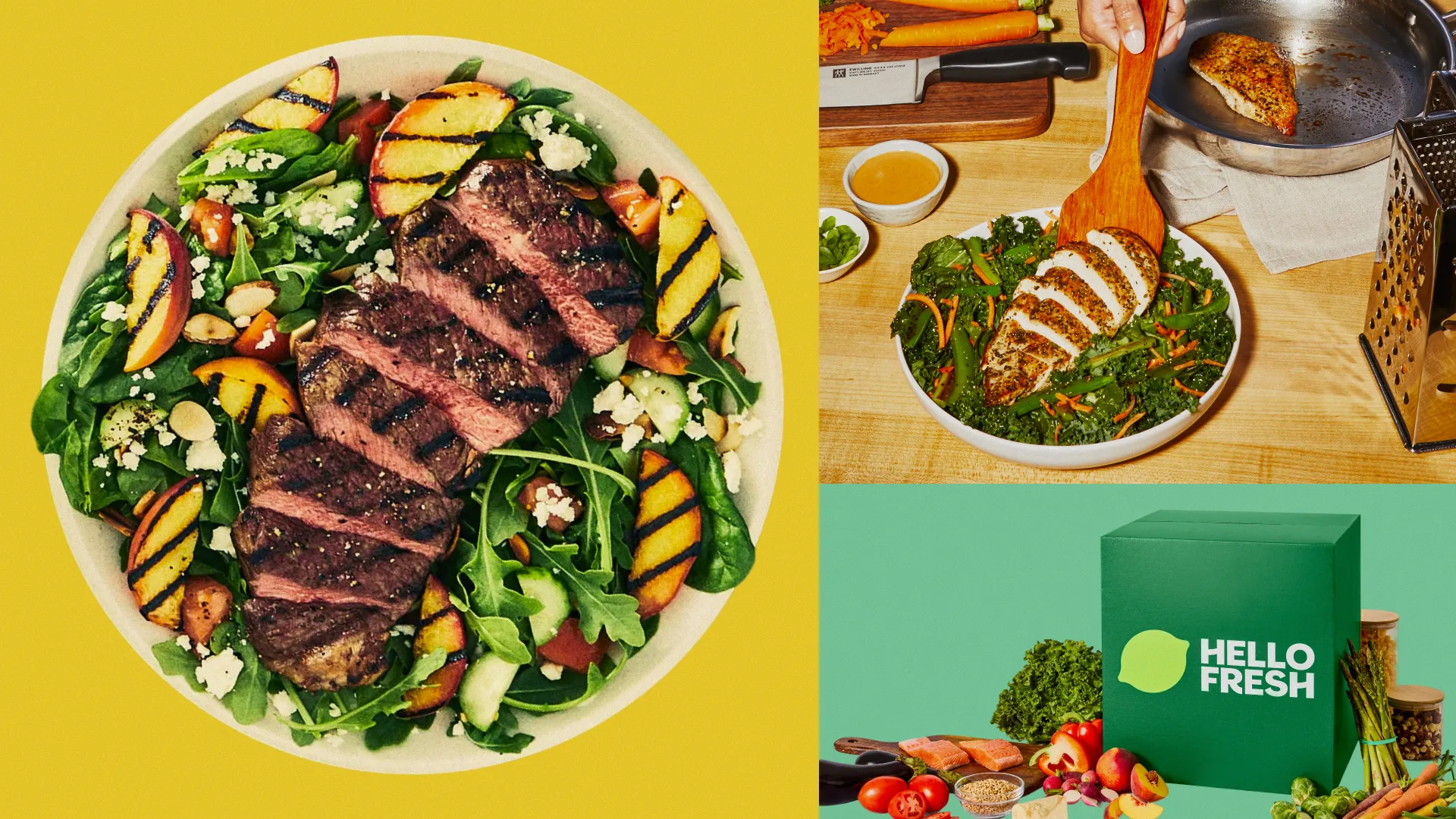
It’s 5:40 p.m. You have no plan for dinner, a half-empty fridge, and no desire to open a delivery app again. That is the moment meal kits are built for, and Hello Fresh meals are the most recognizable option in the category.
But a recognizable name doesn’t tell you whether the food is good, whether the price makes sense for your household, or whether you’ll still be using it in month three. This guide covers what actually arrives, how cooking goes, where the money goes, and who tends to be happier with something else.
What are Hello Fresh meals?
Hello Fresh Meals ello Fresh is a subscription service. Each week you pick recipes from a rotating menu, and the company ships the ingredients in a insulated box, mostly pre-portioned, with a recipe card for each meal.
You still cook. That’s the whole idea. The service removes planning and shopping, not the stove time.
Most boxes include fresh produce, a protein, and small packets of sauces, spices, or grains. You’ll usually need to supply basics such as oil, salt, and pepper. Menus typically include a mix of tags, such as quick meals, calorie-conscious options, vegetarian dishes, and family-friendly picks. Exact labels change, so check the current menu before assuming a diet is covered.
How a typical week works
You choose how many meals and how many servings you want. Plans run from small two-person boxes up to larger family setups. Then you pick your recipes, or let the service choose for you.
Delivery arrives on a set day. The recipe cards walk you through each dish, usually in a handful of steps, and most meals land in the 30 to 40 minute range. A beginner will probably run longer the first few times, mostly because of chopping and reading ahead.
If you do nothing, the box keeps coming. That default is convenient, but it’s also the main source of accidental charges, which we’ll get to.
What it costs
Pricing is where most people get stuck, so here is the honest version.
Per-serving cost depends on your plan size and recipe choices. One 2026 breakdown put the range at roughly $11.99 to $13.49 per serving, with a $10.99 shipping fee, and noted that premium proteins like steak or seafood add several dollars per serving. Another check found that ordering more than two meals per week lowers the base rate. Other sources quote different numbers, so treat any single figure as a snapshot, not a promise. Apr 30, 2026 +2
Three things move your total more than anything else:
- Plan size. Larger plans generally bring the per-serving price down, though the weekly bill goes up.
- Premium recipes. Steak, shrimp, and similar picks carry surcharges.
- Shipping. A flat fee is easy to forget. On a small box it’s a noticeable slice of the total; on a large box it barely registers.
New-customer promotions are common. As of August 2026, one report noted an offer of 10 free meals plus a free breakfast item for qualifying new subscriptions. Promotions come with deadlines and exclusions, so read the terms and note when the discount ends. thepricer
Is it cheaper than groceries? Usually not. You can almost always cook the same dish for less by shopping yourself. What you’re paying for is convenience: no menu planning, no half-used bunch of herbs, no impulse buys. Compared with takeout or delivery apps, though, a kit often comes out ahead.
The real benefits
Less decision fatigue. Choosing from a short menu is easier than deciding what to cook from scratch.
Less food waste. You receive a tablespoon of sauce, not a whole bottle you’ll use once.
A way to learn. If you cook the same five dishes on repeat, kits introduce new techniques and flavor combinations with training wheels on.
Flexibility. According to reporting on the current terms, customers can skip weeks, pause, or cancel without a long-term contract, although changes must be made before a cutoff time. thepricer
The downsides worth knowing
Packaging. Expect a lot of it: the box, ice packs, and many small bags. Some of it is recyclable, some isn’t, and the sorting takes effort.
Portions can disappoint. Some people find servings small, especially for big eaters or teenagers. Others find them just right. Read recent reviews with your own appetite in mind.
Prep time is real. “30 minutes” on the card often means 40 to 50 once you count washing, chopping, and cleanup.
Allergies need care. Kits are packed in shared facilities, and the company warns about cross-contact. If you have a serious allergy, read the allergen information for each recipe and contact support rather than relying on menu tags alone.
Menu fatigue. Rotation helps, but after a few months some people notice the same flavor patterns coming back.
Common mistakes new subscribers make
Forgetting the cutoff. Each week has a deadline for skipping or changing your order. Miss it and you’re charged. Put a recurring reminder in your calendar the first week.
Ordering too many meals. Four dinners sounds reasonable until a work dinner and a leftovers night eat two of them. Start with fewer than you think you need.
Choosing only the premium recipes. They’re appealing, and they quietly raise the bill. Mix them with simpler meals.
Ignoring perishability. Fresh fish and some produce should be cooked first. Check the cards and plan your week around them.
Judging it on one box. One mediocre recipe doesn’t tell you much. Give it three or four deliveries before deciding.
Who it suits, and who should look elsewhere
Hello Fresh meals tend to work well for couples and small households with busy weeknights, people who want to cook more but dislike planning, and newer cooks who want guidance.
It tends to work less well for large families on a tight budget, people who already meal-prep efficiently, anyone with strict medical dietary needs, and households that eat very late or at irregular times and can’t use fresh ingredients quickly.
If price is the main concern, compare it with other kits. Competitors position themselves on different trade-offs, and one comparison noted that Home Chef lists standard meals starting around $9.99 per serving, with prices varying by meal and order size. Check current rates, since all of these shift. thepricer
Tips for getting more out of it
- Read the whole recipe card first. It prevents the mid-recipe surprise of an ingredient you needed to prep earlier.
- Cook the most perishable meals early in the week.
- Use the leftovers. Extra rice, roasted vegetables, or protein become tomorrow’s lunch.
- Save cards you like. Re-making a favorite from the card without the kit is a quiet way to cut costs.
- Review your account each week. A thirty-second look at upcoming deliveries prevents most billing regrets.
Frequently asked questions
Are Hello Fresh meals healthy?
It depends on what you pick. The menu includes lighter and vegetable-forward options as well as richer dishes. Nutrition information is listed per recipe, so you can choose to fit your goals.
How long do Hello Fresh meals take to cook?
Most are designed for roughly 30 to 40 minutes. Add time if you’re new to cooking or cooking for several people.
Can I cancel anytime?
There’s no long-term contract, but you must cancel or skip before the weekly deadline to avoid the next charge. Check your account for the exact cutoff.
Is HelloFresh worth it for one person?
It can be, particularly if you’d otherwise waste groceries or order takeout often. The cost per serving is usually higher than cooking from scratch, so it comes down to how much you value your time.
Do Hello Fresh meals work for vegetarians?
Yes, vegetarian recipes are a regular part of the menu. Availability varies by week, so look at upcoming menus before committing.
Does HelloFresh charge for shipping?
Typically yes. A flat shipping fee has been reported, around $11 in recent checks, though promotions sometimes change this. Confirm at checkout.
Can I skip a week?
Yes. You can skip or pause as long as you do it before the cutoff.
Are Hello Fresh meals suitable for people with food allergies?
Treat them with caution. Recipes list allergens, but the kitchen isn’t allergen-free. Anyone with a severe allergy should check the details carefully and consult the company directly.
Final thoughts
Hello Fresh meals are best understood as a trade: you pay more per dinner than you would at the grocery store, and in exchange you get planning, portioning, and a bit of culinary variety delivered to your door. For the right household, that’s a fair deal. For others, it’s a pleasant but pricey experiment.
If you’re curious, start small. Order a short plan, use any new-customer offer, set a reminder for the skip deadline, and judge it after a few weeks of actual cooking. You’ll know quickly whether it fits your life.