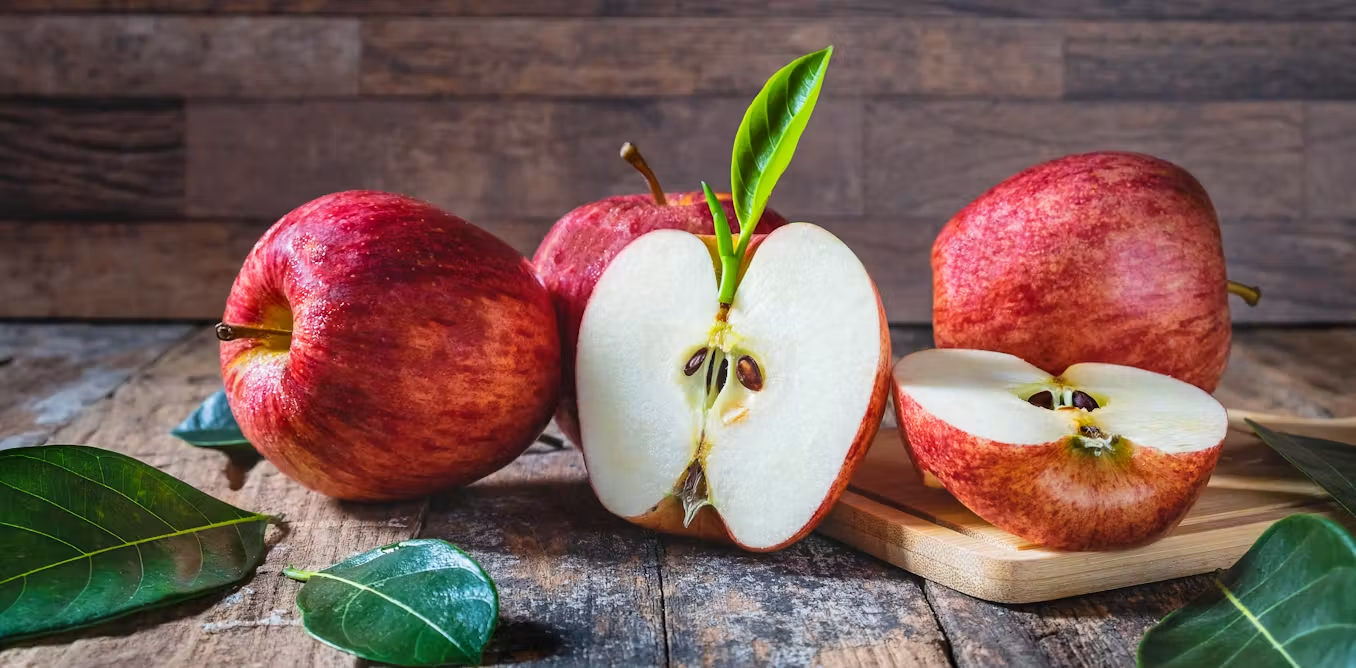
An apple is one of those foods that can fit almost anywhere in a daily diet. It works as a quick snack, adds sweetness and texture to breakfast, and can be used in salads, sauces, desserts, and cooked dishes. Because apples are widely available and easy to store, they are also a practical choice for people who want simple whole-food options.
But apple food is more than just a convenient snack. Apples contain carbohydrates, fiber, water, vitamins, minerals, and plant compounds that contribute to their nutritional value. The variety you choose, how you prepare it, and what you eat alongside it can all affect the eating experience.
This guide explains what makes apples nutritious, how to include them in meals, which common claims deserve a closer look, and how to store and prepare them properly.
What Is Apple Food?
Apple food refers to apples used as a food or as an ingredient in meals and recipes. Apples come from the apple tree (Malus domestica) and are available in many varieties with different levels of sweetness, acidity, firmness, and flavor.
Some apples are particularly pleasant eaten raw, while others are better suited to cooking. For example, crisp apples can add texture to salads, while softer or more tart varieties can work well in sauces and baked dishes.
An apple is also a whole fruit, meaning that it naturally contains water and fiber along with its carbohydrates and other nutrients.
Common Types of Apples
The exact varieties available depend on where you live, but familiar types include:
- Gala: Sweet, crisp, and mild.
- Fuji: Firm, juicy, and naturally sweet.
- Granny Smith: Tart and crisp, often used for cooking and salads.
- Honeycrisp: Known for its crunchy texture and balanced sweet-tart flavor.
- Red Delicious: Mildly sweet with a softer texture when fully ripe.
- Golden Delicious: Sweet, mellow, and useful for both eating and cooking.
Choosing an apple often comes down to personal taste and intended use rather than one variety being universally superior.
Why Apple Food Matters in a Balanced Diet
Fruit can contribute to a varied diet, and apples offer several useful qualities. They are portable, require little preparation, and can provide fiber while satisfying a desire for something naturally sweet.
The skin is also worth considering. Apple skin contains fiber and various plant compounds, so eating a thoroughly washed apple with its skin can provide nutritional advantages compared with removing it. However, peeled apples still provide nutrients and can be easier to eat for people who dislike the texture of the skin.
Another advantage is versatility. You can combine an apple with foods containing protein or healthy fats, such as plain yogurt, nuts, or nut butter. This can make a simple fruit snack more substantial.
Nutritional Benefits of Apples
1. They Provide Dietary Fiber
Apples contain dietary fiber, including soluble fiber such as pectin. Fiber contributes to normal digestive function and can help make meals and snacks more filling.
The amount of fiber varies with apple size and variety, so it is better to think of apples as one useful source of fiber rather than relying on them alone to meet daily needs.
2. They Contain Vitamin C
Apples provide vitamin C, although they are not among the richest dietary sources of this vitamin. Vitamin C supports normal immune function and helps the body maintain connective tissues.
Eating a variety of fruits and vegetables is a better approach than depending on one fruit for a particular nutrient.
3. They Provide Plant Compounds
Apples contain naturally occurring plant compounds, including polyphenols. These substances are part of what makes whole fruits nutritionally different from highly processed foods containing added flavors or sugars.
The amount and type of these compounds can vary depending on the variety and other factors.
4. They Are Naturally Hydrating
Apples contain a substantial amount of water. While they should not replace drinking water, their water content contributes to their refreshing texture and can form part of overall daily fluid intake.
5. They Can Be a Convenient Alternative to Highly Processed Snacks
A whole apple requires little preparation and can replace many packaged snack foods. The benefit is not that apples are a magical food, but that they make a simple, minimally processed option easy to reach for.
Apple Food and Blood Sugar
Apples contain natural sugars, so they do contribute carbohydrates to the diet. However, a whole apple also contains fiber and water, which makes it nutritionally different from consuming the same amount of sugar in a sweetened drink.
Portion size still matters, particularly for people who have been advised to monitor carbohydrate intake. Pairing an apple with a source of protein or fat, such as unsweetened yogurt or a small serving of nuts, can also make the snack more satisfying.
People with diabetes or other conditions requiring individualized carbohydrate management should follow the advice of their healthcare professional rather than assuming that a particular fruit is automatically unrestricted.
Best Ways to Eat Apple Food


Eat It Whole
The simplest option is also one of the easiest. Wash the apple thoroughly, remove the stem if desired, and eat it whole.
Keeping the skin on provides additional fiber and plant compounds, although peeling is perfectly reasonable if you prefer it.
Add Apple to Breakfast
Chopped apple can add sweetness and crunch to:
- Oatmeal
- Plain yogurt
- Overnight oats
- Whole-grain cereal
- Chia pudding
- Cottage cheese
Cinnamon, nuts, seeds, or unsweetened yogurt can complement the fruit without requiring large amounts of added sugar.
Pair It With Nut Butter
Apple slices and peanut or almond butter make a convenient snack. The apple contributes carbohydrates and fiber, while nut butter adds protein and fat.
Watch portion sizes because nut butters can be energy-dense, especially when eaten directly from the jar.
Use Apples in Salads
Crisp apple slices can bring sweetness and acidity to salads containing leafy greens, carrots, cabbage, walnuts, or cheese.
A tart apple can be particularly useful when the other ingredients are rich or savory.
Cook With Apples
Apples can be baked, stewed, roasted, or cooked into sauces. Cooking changes their texture and flavor, making them useful in both sweet and savory dishes.
When preparing apples as a dessert, remember that the nutritional profile of the finished dish depends heavily on the other ingredients. An apple baked with large amounts of sugar, butter, or syrup is quite different from a plain baked apple.
Apple Juice vs. Whole Apples
This is an important distinction.
Whole apples retain their natural structure and fiber. Juice removes much of that physical structure, making it easier to consume a larger amount of fruit quickly.
That does not mean apple juice is automatically harmful. It simply serves a different nutritional role. For everyday eating, whole fruit is generally the more useful choice because it provides the complete fruit matrix and tends to be more filling.
Apple-flavored drinks can be even more different from whole apples because they may contain added sugars and relatively little actual fruit.
Common Mistakes When Eating Apples
Assuming All Apple Products Are Equally Healthy
An apple, unsweetened applesauce, sweetened applesauce, apple juice, apple pie, and an apple-flavored snack are not nutritionally interchangeable.
Look at the complete food rather than focusing only on the word “apple” on the label.
Adding Too Much Sugar
Apples are already naturally sweet. Large amounts of sugar, caramel, syrup, or sweetened toppings can turn a relatively simple snack into a much more sugar-heavy dessert.
Ignoring Portion Size
A very large apple contains more calories and carbohydrates than a small one. If portion control matters to you, consider the size of the fruit rather than treating every apple as the same serving.
Storing Cut Apples Incorrectly
Cut apples gradually turn brown when exposed to air. This does not necessarily mean they have spoiled. However, cut fruit should be handled hygienically and refrigerated when it will not be eaten soon.
A little lemon juice can slow browning, although it also changes the flavor.
Expert Tips for Buying and Storing Apples


Choose apples that feel firm for their variety and do not have extensive bruising, leaking, or visible mold.
At home, keep apples refrigerated if you want them to stay crisp for longer. Store damaged or cut fruit separately and use it sooner.
Before eating, wash the apple under running water. Washing is especially useful when you plan to eat the skin.
If you buy several varieties, label or organize them according to their intended use. Keeping crisp eating apples separate from apples intended for cooking can make meal preparation easier.
Can Apples Be Part of a Weight-Management Diet?
They can certainly fit into a weight-management eating pattern, but no individual food determines weight change on its own.
Apples can be useful because whole fruit provides fiber, water, and texture. Eating a whole apple may also take longer than drinking a fruit-based beverage.
Still, overall dietary intake, activity, portions, food choices, and individual circumstances matter much more than simply adding or removing one food.
Are Apples Good for Children?
Apples can be a convenient fruit for children, but preparation should match the child’s age and eating ability.
For younger children, whole firm pieces can present a choking risk. Parents and caregivers should follow age-appropriate food-preparation guidance and supervise children while eating.
For older children, apple slices can be served with yogurt, cheese, or a suitable nut or seed spread, depending on dietary needs and allergies.
Frequently Asked Questions About Apple Food
Is apple food healthy?
Whole apples can be a nutritious part of a balanced diet. They provide fiber, vitamin C, water, and naturally occurring plant compounds.
What is the healthiest way to eat apple food?
For most people, eating a thoroughly washed whole apple with its skin is a simple option. You can also combine it with foods such as yogurt, nuts, or nut butter for a more substantial snack.
Is apple food good for digestion?
Apples provide dietary fiber, including pectin. Fiber supports normal digestive function, although individual responses to fiber can differ.
Is apple food better than apple juice?
Whole apples generally provide more intact fiber and require more chewing than juice. For everyday fruit intake, whole apples are usually the more filling option.
Can you eat apple food at night?
Yes. There is nothing inherently wrong with eating an apple at night. The best timing depends on your overall eating pattern and personal preference.
Should you eat an apple with the skin?
If you enjoy the skin, eating a properly washed apple with its skin can provide additional fiber and plant compounds. Peeling it is also fine if you prefer the texture or have another reason to do so.
Can apples be used in savory food?
Absolutely. Apples work well with leafy greens, cabbage, roasted vegetables, cheese, poultry, pork, and grain-based dishes. Tart varieties are particularly useful in savory recipes.
How should you store apples?
Refrigeration can help apples maintain their crispness for longer. Keep them away from damaged fruit and inspect stored apples regularly.
Final Thoughts
Apple food is a simple example of how a familiar whole food can be surprisingly versatile. Apples can be eaten on their own, added to breakfast, combined with protein-rich foods, mixed into salads, or cooked into savory and sweet dishes.
The biggest practical advantage is flexibility. You do not need an elaborate recipe to include apples in your diet. Choose a variety you enjoy, wash it properly, pay attention to portion size when necessary, and consider the rest of the meal rather than viewing the fruit in isolation.
For everyday eating, the whole apple remains one of the easiest ways to enjoy the nutritional qualities of this widely available fruit.