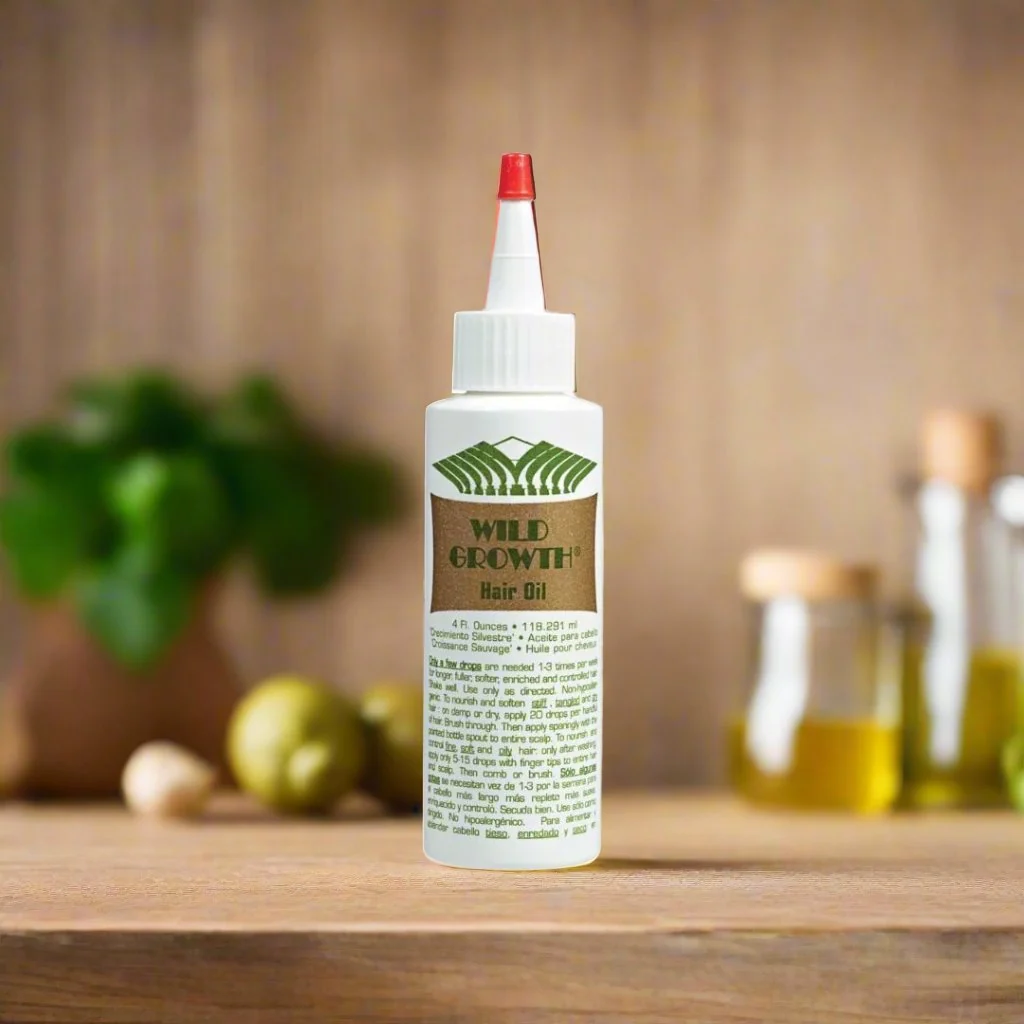
Hair oils have been part of hair-care routines for generations, but not every oil works the same way. Some are designed mainly to soften dry strands, while others focus on the scalp and are marketed for stronger, fuller-looking hair. Wild growth hair oil is one product that has attracted attention because of its blend of oils and botanical ingredients.
If you’re considering adding it to your routine, the biggest question is simple: What can a hair oil realistically do, and how should you use it?
The answer depends on your hair type, scalp condition, how often you use the product, and what you’re hoping to achieve. Hair oil can help reduce dryness, improve the feel and appearance of the hair, and make strands easier to manage. However, it should not be treated as a guaranteed solution for hair loss or every type of scalp problem.
Here’s what you should know before making it part of your routine.
What Is Wild Growth Hair Oil?
Wild Growth Hair Oil is a hair-care oil blend commonly used to moisturize the hair and scalp. The product is known for combining several oils and other ingredients intended to condition hair and improve manageability.
Unlike a conventional single-ingredient oil such as coconut or argan oil, a blended hair oil can contain multiple ingredients with different purposes. Some may help coat and soften the hair shaft, while others contribute to the product’s texture, fragrance, or conditioning effect.
This distinction matters because hair conditioning and hair growth are not the same thing.
A product can make dry or rough hair feel healthier without necessarily changing the biological rate at which follicles produce new hair.
Why Do People Use Wild Growth Hair Oil?
People typically use hair oils for several reasons.
Dry hair can lose moisture and become rough, tangled, and more prone to breakage. Applying an appropriate oil can help improve lubrication between strands, making the hair feel smoother and easier to comb.
Some people also massage oil into the scalp. The massage itself can feel soothing and may help distribute the product evenly, although that should not be confused with proven treatment for medical hair loss.
Another reason people use this type of product is to protect the appearance of their existing hair. If hair is frequently exposed to heat, chemical treatments, tight hairstyles, or excessive brushing, reducing friction and dryness can help with overall hair care.
Potential Benefits of Wild Growth Hair Oil
1. Helps Condition Dry Hair
One of the most practical uses of hair oil is conditioning.
When hair feels dry, an oil can provide lubrication and leave the strands feeling softer. This can be especially useful for coarse, curly, textured, or chemically treated hair.
The result is usually more noticeable in the feel and manageability of the hair rather than in actual new growth.
2. Can Improve Hair Manageability
Dry, tangled hair is harder to comb and style. A small amount of oil can reduce friction and make strands easier to handle.
This can be helpful if your routine involves frequent detangling.
The key is moderation. Applying a large amount doesn’t necessarily produce a better result. Too much oil can leave the hair heavy, greasy, or difficult to wash.
3. May Help Reduce the Appearance of Dryness
Hair that lacks moisture can look dull and feel rough. Oil can give the strands a smoother appearance and some added shine.
This is a cosmetic benefit rather than proof that the follicles are producing hair faster.
4. Useful for Protective Hair Care
If your main concern is maintaining the condition of the hair you already have, an oil can be one part of a broader routine.
Gentle washing, regular conditioning, careful detangling, and limiting excessive heat can matter just as much as the oil you choose.
5. Scalp Massage Can Make the Routine More Relaxing
Some people apply oil while gently massaging the scalp.
A gentle massage can make hair care feel relaxing, but avoid aggressive rubbing. Scratching or vigorous manipulation can irritate the scalp, particularly if you already have inflammation or sensitivity.
Does Wild Growth Hair Oil Actually Grow Hair?
This is where expectations need to be realistic.
The phrase wild growth hair oil can easily make people assume that the product will cause significantly faster or thicker hair growth. Hair growth, however, is controlled by biological factors including genetics, hormones, age, nutrition, health, and the normal hair-growth cycle.
A cosmetic oil may improve the condition and appearance of existing hair, but that doesn’t automatically mean it can treat the underlying cause of hair loss.
If you’re experiencing sudden shedding, visible thinning, bald patches, or a widening part, it’s better to investigate the cause rather than relying solely on an oil.
Hair loss can have many possible causes, and the appropriate treatment depends on what’s behind it.
How to Use Wild Growth Hair Oil
The right application method depends on your hair type and how your scalp reacts to the product.
Step 1: Start With a Small Amount
You don’t need to soak your hair in oil.
Begin with a small quantity and increase it only if necessary. Fine hair generally needs less product than thick or coarse hair.
Step 2: Apply Carefully
If you’re using it on your scalp, distribute a small amount across the areas you want to treat.
For the hair itself, concentrate on dry lengths and ends if those areas need additional conditioning.
Step 3: Massage Gently
Use your fingertips rather than your fingernails.
A gentle massage can distribute the product without unnecessarily irritating the scalp.
Step 4: Leave It on According to Your Routine
Some people prefer applying oil before shampooing, while others use a very small amount as a finishing product.
If your scalp becomes greasy or uncomfortable when oil is left on for long periods, pre-shampoo application may be more suitable.
Step 5: Wash Thoroughly
Use your normal shampoo routine to remove excess oil.
If you’ve applied too much, you may need a second wash. Avoid repeatedly scrubbing the scalp aggressively just to remove every trace of oil.
How Often Should You Use It?
There isn’t one frequency that works for everyone.
If your hair is dry and coarse, you may tolerate oiling more frequently. Fine hair or an oily scalp may require much less.
A sensible approach is to start with occasional use and observe how your hair and scalp respond.
If you notice buildup, itching, increased greasiness, or irritation, reduce the amount or stop using it.
Common Mistakes to Avoid
Using Too Much Oil
More isn’t always better. Excess oil can make hair look greasy and may require more shampooing.
Start small.
Expecting Overnight Growth
Hair doesn’t transform after one or two applications. Even when you’re addressing a legitimate hair-care problem, visible changes generally require consistent care over time.
Applying Oil to an Irritated Scalp
If your scalp is already red, painful, severely itchy, or developing unusual scaling, adding more products may not solve the problem.
Consider getting professional advice instead of repeatedly experimenting with oils.
Ignoring Breakage
Sometimes people think they’re experiencing hair loss when much of the problem is actually breakage.
Look at the condition of the hair itself. Excessive heat, chemical processing, tight hairstyles, and rough handling can all contribute to breakage.
Treating Medical Hair Loss Like a Cosmetic Problem
An oil may be useful for conditioning, but persistent or significant hair loss deserves more attention.
A dermatologist can help determine whether the issue involves pattern hair loss, inflammation, nutritional factors, hormonal changes, medication effects, or another condition.
Who Might Benefit From Hair Oil?
Hair oil may be particularly useful for people whose main concerns are:
- Dry or coarse hair
- Rough-feeling strands
- Tangling
- Lack of shine
- Dry ends
- Hair that needs additional lubrication before washing
- A preference for oil-based hair-care routines
It may be less appealing if you have very fine hair that becomes greasy quickly.
The best routine isn’t necessarily the one with the most products. It’s the one that addresses your actual hair and scalp needs.
Wild Growth Hair Oil vs. Hair-Growth Treatment
It’s useful to separate these two categories.
A cosmetic hair oil is primarily used for conditioning, lubrication, and improving the appearance or manageability of hair.
A hair-loss treatment is intended to address a specific biological or medical cause of thinning or shedding.
Those aren’t interchangeable.
If your goal is simply softer, more manageable hair, an oil may fit naturally into your routine. If your goal is treating progressive hair loss, you should first determine what’s causing it.
What Results Should You Expect?
The most realistic expectations are improvements in how the hair feels and behaves.
Depending on your starting hair condition, you may notice:
- Softer-feeling strands
- Less dryness
- More manageable hair
- Increased surface shine
- Easier detangling
Don’t judge the product solely by whether you see new hair growth. Cosmetic hair care and follicle-level treatment are different things.
Also remember that hair responds differently from person to person. A product that works comfortably for one person’s coarse hair may feel excessively heavy on someone else’s fine hair.
Final Thoughts
Wild Growth Hair Oil can be a useful addition to a hair-care routine when your main goal is conditioning, reducing dryness, and making hair easier to manage. The most sensible way to use it is to start with a small amount, apply it gently, and adjust the frequency according to your hair and scalp.
What it shouldn’t be is a substitute for diagnosing persistent hair loss.
If you’re dealing with ordinary dryness or roughness, a well-chosen oil can be a simple part of your routine. If you’re seeing substantial shedding or thinning, focus on finding the underlying cause rather than expecting an oil alone to solve it.
Frequently Asked Questions
Is wild growth hair oil good for dry hair?
It can be useful for dry, coarse, or rough-feeling hair because oil can provide lubrication and improve the feel and appearance of the strands. Start with a small amount to avoid heaviness.
Does wild growth hair oil make hair grow faster?
There isn’t a reason to assume that a cosmetic hair oil will automatically accelerate the biological hair-growth cycle. It may improve the condition and appearance of existing hair, but persistent hair loss needs a different approach.
Can you use wild growth hair oil on the scalp?
Some people apply hair oil directly to the scalp. If you do, use a small amount and massage gently. Stop if you experience irritation, itching, or discomfort.
How often should you use wild growth hair oil?
The ideal frequency depends on your hair type and scalp. Start occasionally and adjust based on how your hair responds. Fine or oily hair may need less frequent application.
Can hair oil prevent breakage?
Oil may reduce friction and improve manageability, which can support a gentler hair-care routine. However, preventing breakage also requires limiting excessive heat, harsh chemical treatments, tight hairstyles, and rough brushing.
Can I leave wild growth hair oil on overnight?
Some people leave hair oils on for extended periods, but overnight use isn’t necessary for everyone. If your scalp becomes greasy or irritated, try using it before shampooing instead.
Should I use hair oil if my scalp is itchy?
An itchy scalp can have several causes. If the itching is persistent, severe, or accompanied by redness, scaling, sores, or unusual shedding, it’s better to identify the cause instead of simply adding more oil.
Is wild growth hair oil suitable for all hair types?
Not necessarily. Thick or coarse hair may tolerate more oil, while fine hair can become weighed down quickly. Start with a small amount and adjust your routine according to your hair’s response.