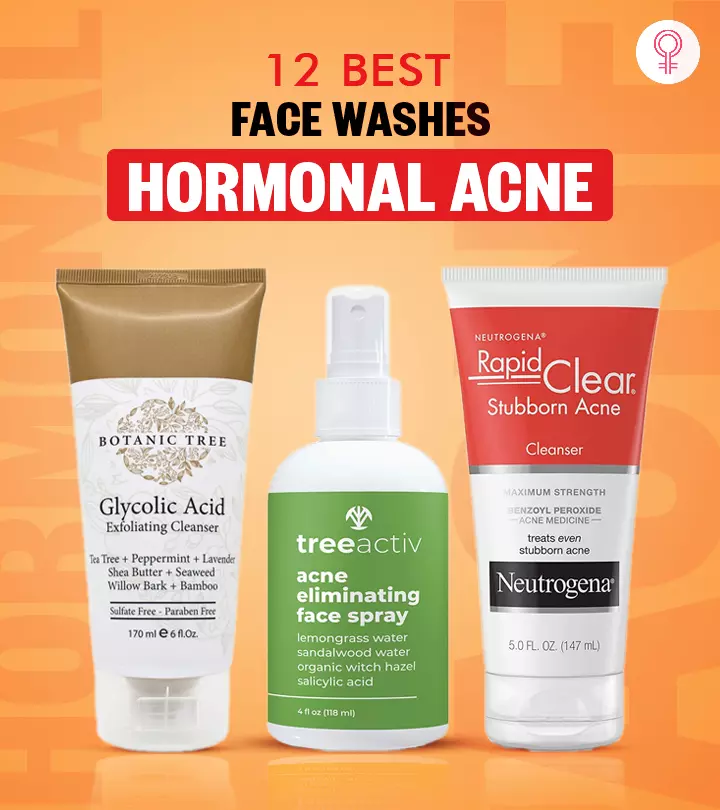
Hormonal acne can be frustrating because it often behaves differently from ordinary breakouts. You may notice deep pimples around the chin and jawline, recurring spots before your period, or acne that keeps returning even when you follow a consistent skincare routine.
Choosing the best facewash for hormonal acne can help control oil, remove excess buildup, and support clearer skin. But a cleanser is only one part of acne care. The right product should match your skin type and contain ingredients that can help without leaving your face irritated or excessively dry.
The good news is that you do not need a complicated routine. A gentle cleanser used consistently is often a better starting point than constantly switching between strong acne products.
What Is Hormonal Acne?
Hormonal acne is acne influenced by changes in hormones called androgens. These hormones can increase activity in the skin’s oil glands, leading to more sebum. Excess oil can combine with dead skin cells and contribute to clogged pores and inflammation.
Hormonal breakouts commonly appear on the lower face, particularly the chin, jawline, and around the mouth. Some people also experience deeper, tender pimples rather than small surface-level whiteheads.
Hormonal changes associated with menstruation, pregnancy, stopping or starting certain medications, and some medical conditions can affect acne patterns. However, not every breakout in these areas is necessarily Best Facewash for Hormonal Acne.
What Makes the Best Facewash for Hormonal Acne?
There is no single cleanser that works for everyone. The best choice depends on your skin type, acne pattern, and how well your skin tolerates active ingredients.
Look for a cleanser that performs three basic jobs:
- Removes excess oil and sunscreen
- Helps reduce pore-clogging buildup
- Cleans the skin without damaging its protective barrier
A cleanser that leaves your skin painfully tight or flaky may be too harsh, even if it makes your face feel extremely clean.
Salicylic Acid
Salicylic acid is one of the most useful ingredients to consider when choosing an acne cleanser. It is a beta hydroxy acid that can help exfoliate inside pores and remove excess oil and dead skin cells.
It can be particularly useful when hormonal acne is accompanied by clogged pores, blackheads, or small bumps.
However, more is not necessarily better. Using a strong salicylic acid cleanser too frequently can cause dryness or irritation.
Benzoyl Peroxide
Benzoyl peroxide is another established acne-fighting ingredient. It works differently from salicylic acid and can be useful when inflammatory pimples are part of the problem.
A benzoyl peroxide cleanser may be worth considering if you frequently develop red, inflamed breakouts.
One practical drawback is that benzoyl peroxide can be drying and may bleach towels, pillowcases, and clothing.
Gentle, Non-Active Cleansers
You do not necessarily need an acne-active cleanser every time you wash your face.
If your skin is sensitive, dry, or already using other acne treatments, a gentle cleanser may be the better option. Removing dirt and excess oil without adding more irritation can help you maintain your skin barrier.
This is especially relevant if stronger acne treatments are causing peeling or burning.
How to Choose Based on Your Skin Type
Your skin type should influence your cleanser choice just as much as the acne itself.
Oily Skin
If your face becomes noticeably oily during the day, a lightweight cleanser containing salicylic acid may be helpful.
Avoid repeatedly washing your face simply because it feels oily. Over-cleansing can leave the skin irritated and may make your routine harder to tolerate.
Dry or Sensitive Skin
Choose a gentle, fragrance-free cleanser and avoid aggressive scrubbing.
If you want to use an acne-active cleanser, introduce it gradually rather than immediately using it multiple times every day.
Combination Skin
Combination skin often needs balance. You may have an oily T-zone while your cheeks feel normal or dry.
A mild cleanser can be used across the face, while acne treatment can be targeted separately if necessary.
Acne-Prone but Easily Irritated Skin
When your skin reacts easily, focus on keeping the routine simple.
A gentle cleanser, moisturizer, and sunscreen can provide a foundation before adding stronger acne treatments one at a time.
How to Use an Acne Facewash Properly
Even an effective cleanser can cause problems when used incorrectly.
Start by wetting your face with lukewarm water. Apply a small amount of cleanser and gently massage it over the skin with your fingertips.
There is no need to scrub aggressively. Scrubbing harder does not remove hormonal acne from underneath the skin.
Rinse thoroughly and pat your face dry with a clean towel.
If the cleanser contains an acne-active ingredient, follow the product’s directions. Some formulations are designed to remain on the skin briefly before rinsing, while others are intended for immediate removal.
After cleansing, apply a suitable moisturizer. During the daytime, sunscreen is also important, particularly when your routine includes exfoliating or acne-treatment ingredients.
A Simple Routine for Hormonal Acne
A complicated routine can make it difficult to identify what is helping or irritating your skin.
A basic routine might look like this:
Morning
- Gentle cleanser
- Lightweight moisturizer
- Broad-spectrum sunscreen
Evening
- Cleanser
- Acne treatment if appropriate
- Moisturizer
If you are using a salicylic acid or benzoyl peroxide cleanser, you may not need additional exfoliating products at the same time.
Introducing several active ingredients together can make irritation more likely.
Common Mistakes to Avoid
Washing Your Face Too Often
More washing does not automatically mean fewer breakouts. Cleansing twice a day is sufficient for many people, while some dry or sensitive skin types may need a gentler approach.
Using Harsh Scrubs
Physical scrubs can irritate active acne, particularly deep or inflamed pimples.
Your goal is to clean the skin, not physically remove every bump.
Choosing Products Only Because They Say “Acne”
The word “acne” on packaging does not tell you whether a product is suitable for your skin.
Check the active ingredients, concentration when provided, cleanser type, and how your skin responds.
Drying Out Your Skin on Purpose
Severely dry skin is not proof that an acne product is working.
Burning, excessive peeling, cracking, or persistent redness can be signs that your routine is too irritating.
Changing Products Every Few Days
Acne care generally requires consistency. Constantly replacing products makes it difficult to determine whether a treatment is helping.
Give a reasonable amount of time to a simple routine unless you experience significant irritation or another problem that requires stopping the product.
Can Facewash Actually Treat Hormonal Acne?
A cleanser can help manage acne, but it may not address the hormonal factors driving recurring breakouts.
This distinction matters.
If you repeatedly develop deep, painful acne around your jawline or chin despite using an appropriate skincare routine, a cleanser alone may not be enough. A dermatologist can assess the acne and discuss treatments that address different parts of the acne process.
Prescription or medical treatments may be appropriate for some people, particularly when acne is persistent, painful, scarring, or significantly affecting quality of life.
When Should You See a Dermatologist?
Consider professional advice if your acne is:
- Deep or painful
- Leaving scars or dark marks
- Getting worse despite consistent skincare
- Frequently returning in the same areas
- Affecting your confidence or daily life
- Associated with other symptoms that concern you
A dermatologist can also help distinguish hormonal acne from other conditions that can look similar.
Expert Tips for Better Results
Keep your routine consistent and resist the temptation to attack every breakout with multiple products.
If you are introducing an active cleanser, start cautiously and pay attention to how your skin reacts. Pair acne treatment with a moisturizer rather than assuming moisturizer will make acne worse.
Also remember that the cleanser is only on your skin for a relatively short period. If hormonal acne is persistent, the most effective treatment may involve products or medications that remain on the skin or work through other mechanisms.
Most importantly, choose a routine you can realistically maintain. A simple routine that you use consistently is more useful than an elaborate routine that repeatedly irritates your skin.
Frequently Asked Questions
What is the best facewash for hormonal acne?
The best facewash depends on your skin type and acne pattern. Salicylic acid can be useful for clogged pores, while benzoyl peroxide may help with inflammatory acne. Sensitive skin may do better with a gentle cleanser.
Can salicylic acid facewash help hormonal acne?
Yes, salicylic acid can help remove excess oil and dead skin cells and reduce clogged pores. However, it may not address the hormonal factors behind persistent or deep acne by itself.
Should I wash my face twice a day if I have hormonal acne?
Many people can cleanse morning and evening, but sensitive or very dry skin may require a gentler approach. If frequent cleansing causes irritation, reduce the frequency or use a milder cleanser.
Is benzoyl peroxide good for hormonal acne?
Benzoyl peroxide can be useful when hormonal acne includes red, inflamed pimples. It can also cause dryness and irritation, so use it according to the product directions.
Can a facewash completely cure hormonal acne?
A facewash can support acne management, but it cannot necessarily correct the hormonal factors contributing to recurring acne. Persistent or severe acne may require treatment beyond a cleanser.
Should I use a moisturizer after an acne facewash?
Yes. A suitable moisturizer can help reduce dryness and support the skin barrier. Look for a lightweight, non-comedogenic option if you are prone to clogged pores.
How long does it take to see improvement?
Acne usually does not disappear overnight. Consistent skincare over several weeks is generally more realistic than expecting immediate results. Persistent or worsening acne should be evaluated by a healthcare professional.
Can hormonal acne leave scars?
Yes. Deep and inflamed acne can increase the risk of scarring. Treating persistent acne early and avoiding picking or squeezing pimples can help reduce the risk of lasting marks.
Final Thoughts
Finding the best facewash for hormonal acne is less about finding a miracle cleanser and more about choosing a product that fits your skin and acne pattern.
Salicylic acid can be useful for clogged pores, benzoyl peroxide can help with inflammatory breakouts, and gentle cleansers can be a better choice when your skin is sensitive or already exposed to other acne treatments.
If breakouts remain deep, painful, persistent, or scar-forming, do not keep switching facewashes indefinitely. A dermatologist can help identify the underlying pattern and determine whether you need treatment beyond cleansing.